
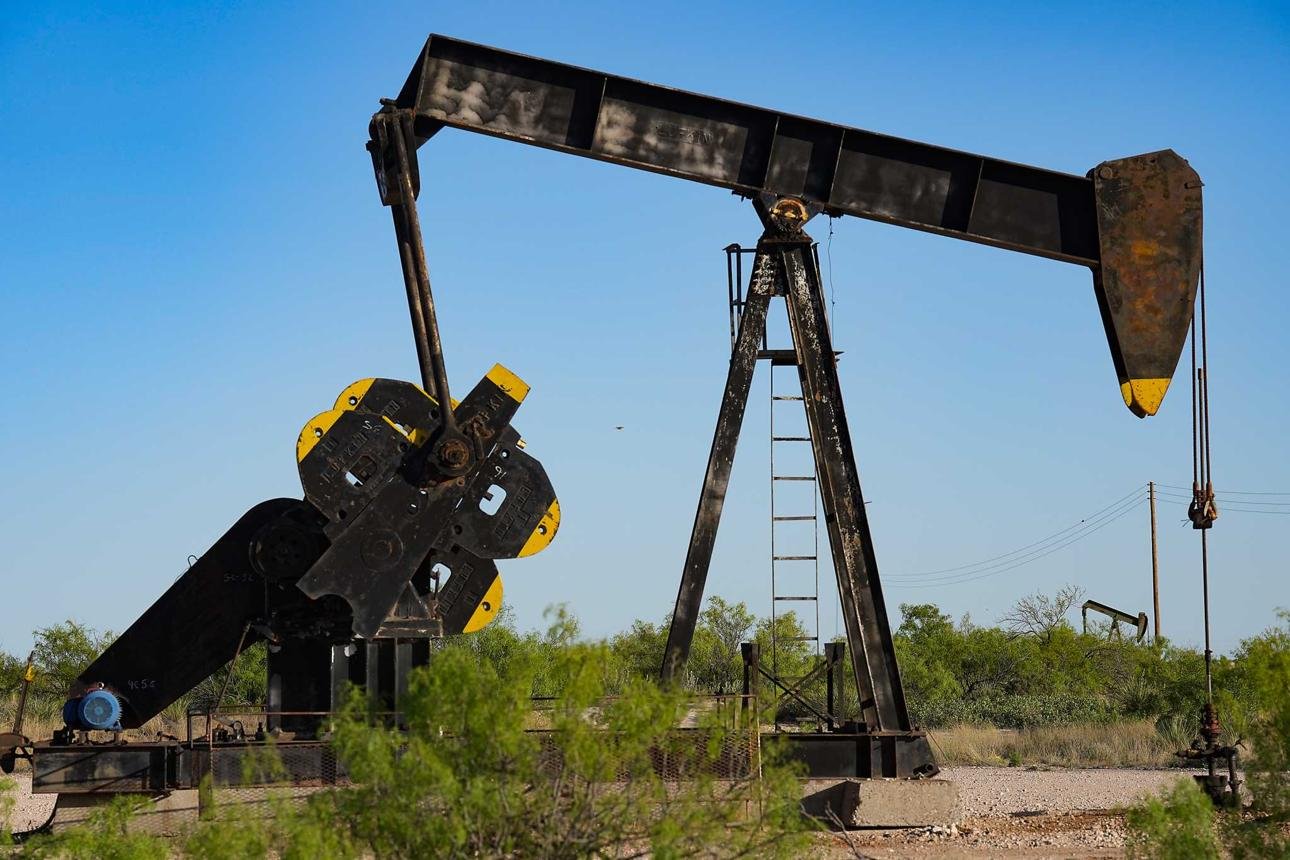
Oil Prices Today: Latest Crude Oil Prices, Market Trends & What Affects Them
Oil prices today are an important topic for people around the world. Whether you are a driver, business owner, investor, or someone who follows the global economy, changes in oil prices can affect your daily life. Crude oil is one of the most important natural resources because it is used to produce gasoline, diesel, jet fuel, and many other products.
I have followed oil market trends and understand how important it is to keep track of daily price changes. Oil prices can rise or fall because of global demand, supply, political events, weather conditions, and economic changes.
In this guide, I will explain oil prices today, how crude oil prices work, what affects the market, and how you can stay updated with the latest oil price information.
What Are Oil Prices Today?
Oil prices today refer to the current market price of crude oil and petroleum products. These prices change regularly depending on supply, demand, economic conditions, and global events.
Crude oil is mainly traded in the international market. Its price is usually measured in US dollars per barrel. One barrel contains approximately 159 liters of crude oil.
There are different types of crude oil benchmarks used to understand global oil prices. The two most popular benchmarks are:
-
WTI (West Texas Intermediate): A major crude oil benchmark used mainly in the United States.
-
Brent Crude: An international benchmark used to price much of the world’s oil supply.
These benchmarks help traders, companies, governments, and consumers understand changes in the global oil market.
Latest Oil Prices Today
Oil prices change throughout the trading day. The actual price depends on the type of crude oil, trading market, and current market conditions.
The most commonly followed oil benchmarks include:
| Oil Benchmark | What It Represents |
|---|---|
| WTI Crude Oil | US crude oil benchmark |
| Brent Crude Oil | International crude oil benchmark |
| Dubai Crude | Important Middle Eastern benchmark |
If you want to check the latest oil prices, you can follow trusted financial market platforms such as
Important: Oil prices are not fixed. Always check live market data before making financial or business decisions.
Why Do Oil Prices Change Every Day?
There is no single reason why oil prices go up or down. Several factors work together to influence the market.
1. Supply and Demand
Supply and demand are two of the biggest factors affecting oil prices.
When global demand increases but oil production remains limited, prices usually go up. On the other hand, when oil production increases and demand becomes weaker, prices may fall.
For example, during busy travel seasons, people use more fuel for transportation. This can increase demand for oil.
2. OPEC+ Production Decisions
OPEC+ plays an important role in the global oil market.
OPEC+ includes major oil-producing countries that work together on production policies. When these countries reduce oil production, global supply may decrease, which can push prices higher.
If they increase production, more oil may become available in the market, potentially putting downward pressure on prices.
3. Political Events and Wars
Political tensions, wars, and international conflicts can affect oil production and transportation.
Many important oil-producing countries are located in the Middle East. Any conflict in this region can create concerns about oil supply.
For example, problems around the Strait of Hormuz can affect international oil shipments because it is one of the world’s most important oil transportation routes.
4. Global Economic Conditions
The global economy also affects oil prices.
When major economies grow, industries, transportation companies, and businesses generally use more energy. This can increase oil demand.
However, when economic growth slows down, businesses may reduce production and transportation activities. As a result, oil demand can decrease.
5. US Dollar Value
Crude oil is generally traded in US dollars. Therefore, changes in the value of the dollar can influence international oil prices.
When the US dollar becomes stronger, oil can become more expensive for buyers using other currencies. This may reduce demand.
When the dollar becomes weaker, oil may become more affordable for international buyers.
6. Weather Conditions and Natural Disasters
Weather conditions can also influence oil production and transportation.
Hurricanes, floods, storms, and extreme weather events can damage oil facilities and interrupt supply.
Cold weather can increase demand for heating fuel, while extremely hot weather can increase electricity demand for air conditioning.
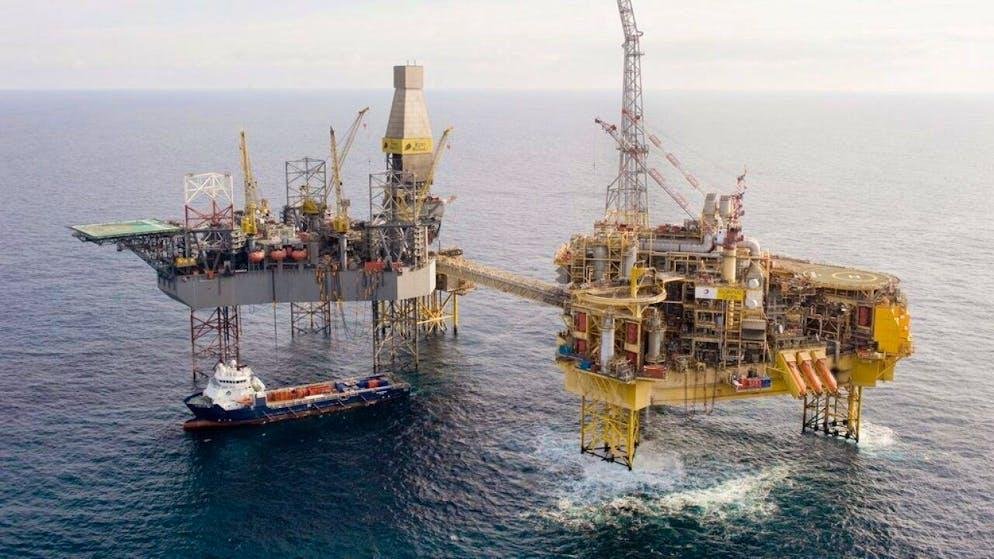
Brent Crude vs WTI: What Is the Difference?
Brent Crude and WTI are the two most important oil price benchmarks. Although both represent crude oil, they have some differences.
| Feature | Brent Crude | WTI Crude |
|---|---|---|
| Full Name | Brent Crude | West Texas Intermediate |
| Main Region | North Sea | United States |
| Quality | Light and sweet | Light and sweet |
| Main Use | International benchmark | US benchmark |
| Pricing | USD per barrel | USD per barrel |
Brent is widely used as an international oil pricing benchmark, while WTI is mainly used to track US crude oil prices.
The difference between their prices is known as the Brent-WTI spread.
Oil Prices Today: November 16, 2026
Here is an indicative market snapshot for November 16, 2026.
| Oil Type | Approximate Price |
|---|---|
| WTI Crude Oil | $88.89 per barrel |
| Brent Crude Oil | $96.07 per barrel |
| Dubai Crude Oil | $93.81 per barrel |
| OPEC Basket | $87.79 per barrel |
Source: OilPriceAPI live oil prices. These are reported market snapshots, not guaranteed current execution prices. Prices can change throughout the trading day.
Oil Price API+1
Recent market reports have highlighted concerns about a possible global supply surplus, alongside continuing geopolitical risks around Middle Eastern oil shipments. These competing factors can create significant price movements.
How Do Oil Prices Affect Everyday Life?
Oil prices are not just important for traders and investors. They also affect ordinary people and businesses.
Here are some common ways oil price changes influence daily life.
1. Petrol and Diesel Prices
When crude oil prices increase, the cost of producing and supplying petrol and diesel can also increase.
This may eventually lead to higher fuel prices for drivers.
2. Transportation Costs
Airlines, shipping companies, buses, and trucks depend heavily on fuel.
When fuel becomes expensive, transportation companies may increase their service charges.
3. Food Prices
Oil price changes can affect farming, food production, packaging, and transportation.
For example, farmers use fuel for agricultural machines, while delivery companies need diesel to transport food products.
Higher energy and transportation costs can contribute to higher food prices.
4. Business and Manufacturing Costs
Many industries use petroleum products and energy to manufacture goods.
When oil prices rise, production and transportation expenses may increase. Businesses may pass some of these additional costs to customers.
5. Inflation
Higher oil prices can increase the overall cost of goods and services.
This can create inflationary pressure in many countries, especially those that depend heavily on imported oil.
How Do Oil Prices Affect Bangladesh?
Bangladesh imports a significant amount of its petroleum requirements. Therefore, changes in international oil prices are important for the country’s economy.
When international crude oil and petroleum product prices increase, Bangladesh may face higher import costs.
Some possible effects include:
-
Higher fuel import expenses.
-
Increased transportation costs.
-
Higher electricity generation costs.
-
Additional pressure on businesses.
-
Possible inflation in everyday products.
However, international crude oil prices do not automatically determine local petrol and diesel prices. Government pricing decisions, taxes, exchange rates, import costs, and subsidies also play important roles.
How Can You Check Oil Prices Today?
If you want to follow the oil market, you should use reliable financial and commodity market websites.
Here are some useful resources:
-
Investing.com – Check crude oil market prices and charts.
-
OilPrice.com – Read oil market news and analysis.
-
CME Group – Follow crude oil futures information.
-
US Energy Information Administration – Explore oil production, inventory, and energy statistics.
These platforms can help you understand market movements and follow important oil industry updates.
What Is the Future Outlook for Oil Prices?
Predicting future oil prices is not easy because the market depends on many changing factors.
However, there are several important things to watch:
-
Global demand: Strong economic growth may increase oil consumption.
-
Oil production: Higher production can increase supply and put pressure on prices.
-
OPEC+ decisions: Production cuts or increases can influence the market.
-
Geopolitical risks: Conflicts and shipping disruptions may create sudden price changes.
-
Oil inventories: Changes in global oil storage can provide clues about market supply and demand.
For these reasons, I believe it is important to follow both daily price movements and long-term market trends rather than focusing on one day’s price.
No price forecast is guaranteed, so investors and businesses should always consider market risks.
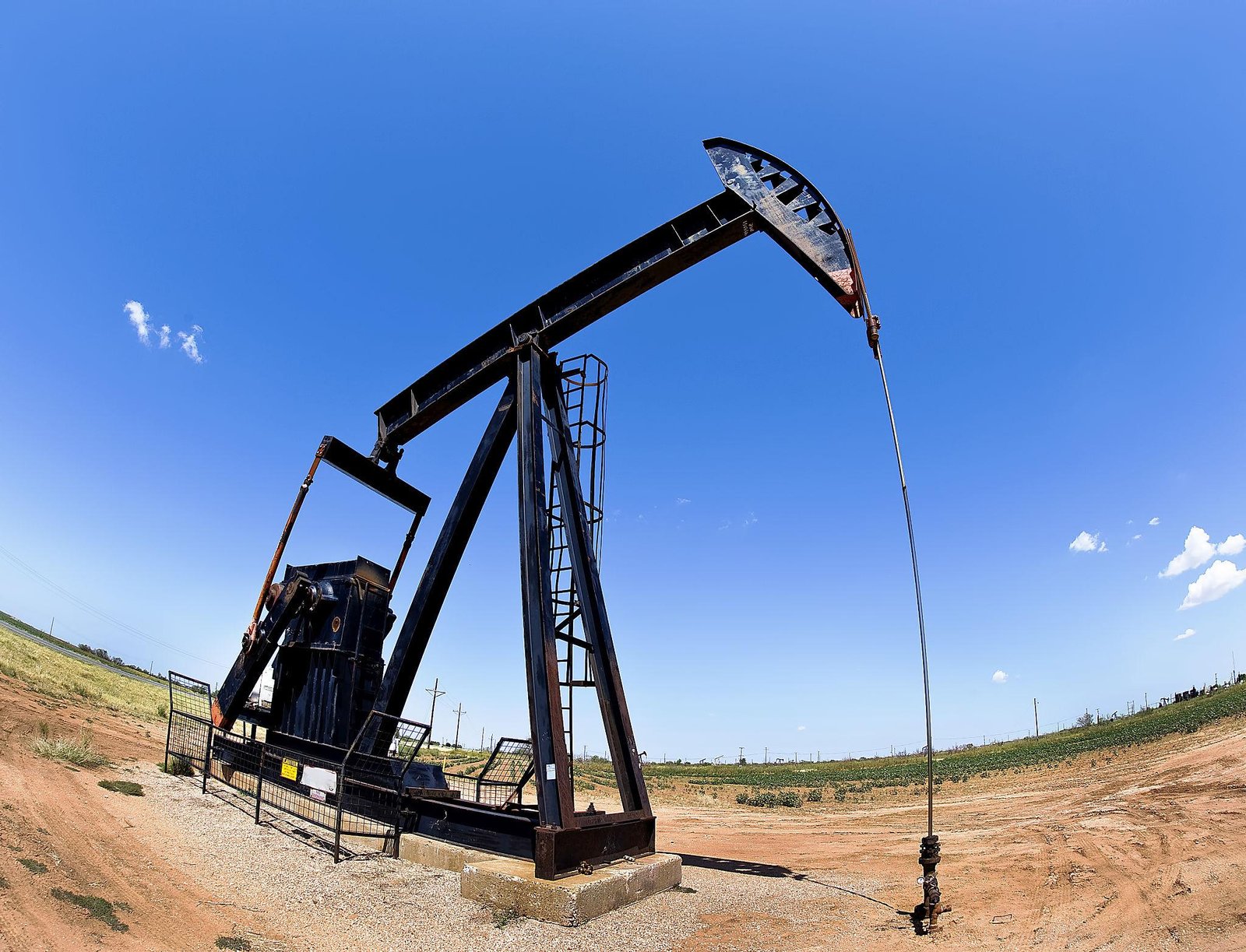
Difference Between Crude Oil and Refined Oil Products
Many people use the terms crude oil and petroleum interchangeably, but they are not exactly the same.
Crude oil is a naturally occurring liquid found underground. It must be processed in refineries before it becomes useful for many everyday purposes.
Some common refined petroleum products include:
-
Gasoline (petrol)
-
Diesel
-
Jet fuel
-
Kerosene
-
Liquefied petroleum gas (LPG)
-
Lubricants
-
Asphalt
These products have different prices because their production costs, demand, taxes, and supply conditions are different.
Frequently Asked Questions (FAQs)
1. What are oil prices today?
Oil prices today refer to the current market prices of crude oil benchmarks such as Brent and WTI. These prices change regularly based on global supply, demand, and market conditions.
2. What is the current price of crude oil?
Crude oil prices depend on the benchmark and trading time. On November 16, 2026, an indicative market snapshot reported WTI at around $88.89 and Brent at around $96.07 per barrel.
3. Why are oil prices increasing?
Oil prices can increase because of higher demand, lower production, geopolitical tensions, supply disruptions, and changes in global economic conditions.
4. Why do oil prices decrease?
Oil prices may decrease when production increases, global demand becomes weaker, oil inventories rise, or concerns about supply shortages decline.
5. What is the difference between Brent and WTI?
Brent is an international crude oil benchmark, while WTI is mainly used as a benchmark for US crude oil prices.
6. How many liters are in one barrel of oil?
One standard barrel of crude oil contains approximately 159 liters.
7. Does the US dollar affect oil prices?
Yes. Since crude oil is generally traded in US dollars, changes in the dollar’s value can influence international oil demand and prices.
8. How do oil prices affect petrol prices?
Higher crude oil prices can increase the cost of producing and supplying petrol. However, local taxes, refining costs, currency exchange rates, and government decisions also affect petrol prices.
9. Where can I check live oil prices?
You can check oil prices through Investing.com, OilPrice.com, CME Group, and other financial market platforms.
10. Will oil prices go up in the future?
Oil prices may rise or fall depending on global demand, production levels, geopolitical events, and economic conditions. Nobody can predict future prices with complete accuracy.
Conclusion
Oil prices today are important for understanding the global economy and energy market. Changes in crude oil prices can affect transportation, manufacturing, food costs, businesses, and everyday life.
By following Brent Crude and WTI prices, understanding supply and demand, and keeping an eye on global events, you can better understand why oil prices move.
I recommend checking reliable market sources regularly instead of depending on outdated price information. Staying informed can help you make better decisions about business, energy costs, and financial planning.